


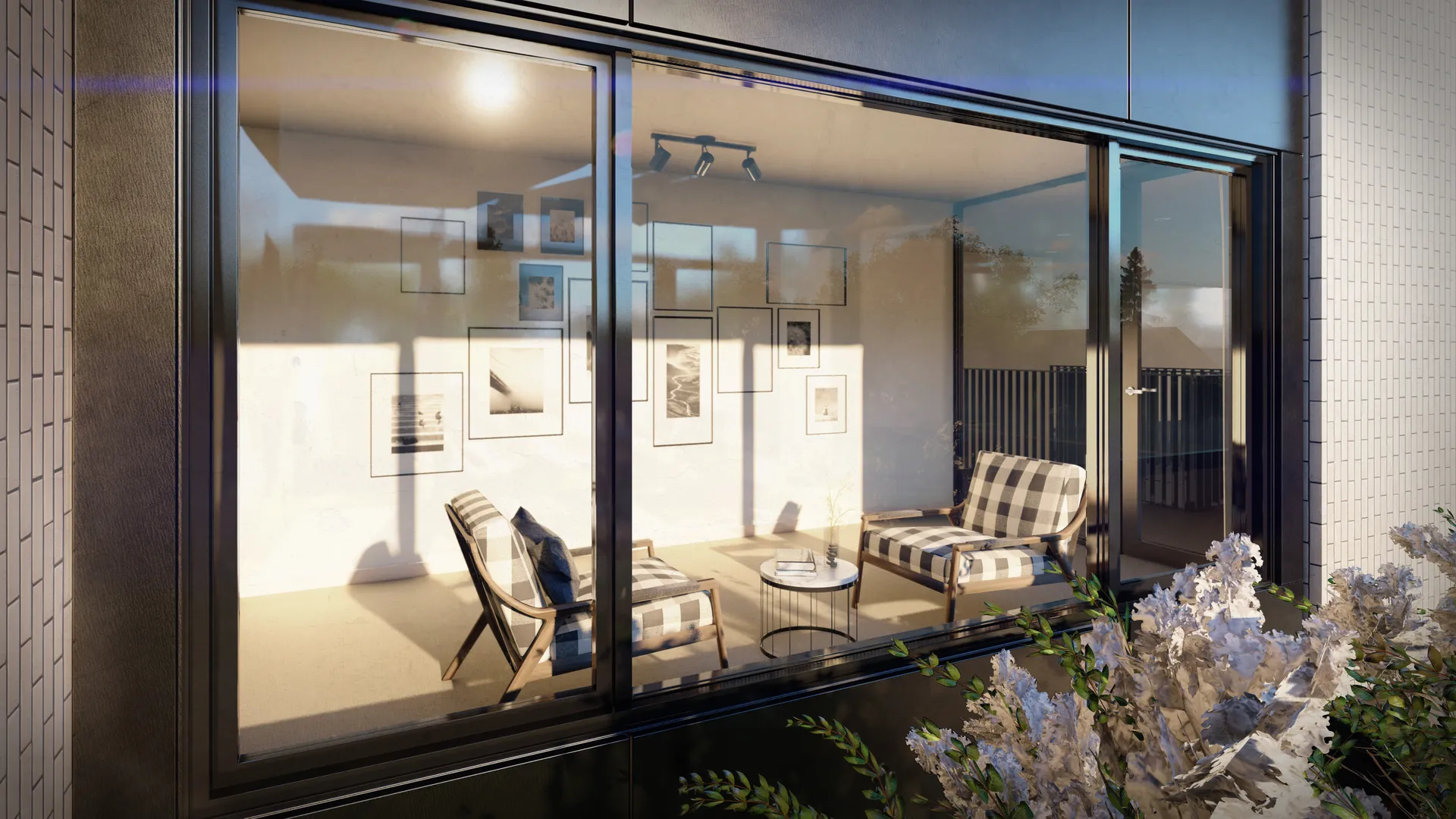
Picture this: a home where the smell of grandma’s cookies mingles with the sound of a toddler’s laughter, where a young adult’s startup pitch is practiced at the kitchen table, and quiet support is just a room away. This isn’t a nostalgic dream. It’s the modern reality of generational home sharing—a deliberate, multi-family co-living arrangement that’s reshaping how we think about family, space, and support.
Driven by soaring housing costs, a longing for community, and the practical needs of aging parents and young adults, families are recombining under one roof. But this isn’t just moving in together. It’s a conscious design and logistical puzzle. Let’s dive into how to make it work, from the blueprints to the day-to-day rhythms.
The Blueprint: Intentional Design for Multi-Generational Living
You can’t just cram three generations into a standard suburban layout and hope for the best. The design needs to foster both togetherness and privacy—two concepts that often feel at odds. Think of it like a village within a house: shared communal spaces act as the town square, while private suites are individual homes.
Zoning Your Shared Home
Smart zoning is everything. Honestly, it’s the non-negotiable foundation.
- The “Commonwealth”: This is the heart. A large, open kitchen that flows into a dining and living area. It must be accessible, welcoming, and durable enough for everyone’s use. Think wide pathways, easy-clean surfaces, and comfy, inclusive seating.
- Private Suites or “Pods”: Each nuclear unit (e.g., grandparents, adult child’s family) needs a defined territory. The gold standard is a bedroom, bathroom, and a small sitting area or kitchenette—a true in-law suite. This isn’t just a bedroom; it’s a retreat.
- Flex Spaces & Buffer Zones: These are the unsung heroes. A loft for the teens, a den that becomes a remote office, a mudroom with triple the storage. And hallways or pocket doors that can subtly separate noise zones. A well-placed buffer can prevent a minor irritation from becoming a major issue.
Universal Design Isn’t Just for “Later”
Here’s a key mindset shift: design for accessibility from day one. It benefits everyone. A zero-step entry isn’t just for wheelchairs—it’s for strollers, grocery carts, and a pulled muscle. Lever-style door handles, walk-in showers with benches, and wider doorways. These features create a home that gracefully adapts to life’s changes, making it a forever home in the truest sense.
The Daily Dance: Navigating Logistics and Family Dynamics
Okay, so the walls are up. Now for the real test: the human element. The logistics of multi-family co-living are where theory meets the beautiful, messy reality. It’s about systems, sure, but also about grace.
Money, Chores, and Groceries (Oh My!)
The most successful homes operate like a benevolent, tiny homeowners’ association. Clarity is kindness.
| Logistical Area | Key Considerations & Solutions |
| Financial Contributions | Will costs be split 50/50, by square footage, or by income? Cover mortgage, utilities, property tax, and a shared fund for repairs. A joint account for shared expenses is a game-changer. |
| Household Management | Create a rotating chore chart that plays to strengths. Who gardens? Who handles tech support? Who makes the legendary Sunday sauce? Formalize it, then be ready to flex. |
| Food & Meals | Some families swear by a fully shared kitchen and grocery budget. Others prefer separate shelves/fridges with 2-3 shared meals per week. There’s no right answer, only what avoids the “who ate my yogurt?” standoff. |
Communication: The Glue That Holds It All Together
You have to talk. And then talk some more. Schedule a monthly “family meeting”—not a courtroom, but a check-in. Use it to air small grievances before they fester, plan for upcoming expenses, and, crucially, celebrate the wins. The saved childcare, the impromptu movie night, the security of knowing someone is there.
Establish norms for the little things. Guest policies. Noise levels after 9 PM. TV remote sovereignty. It sounds silly, but these micro-logistics are the threads that can unravel or reinforce the whole tapestry.
The Unseen Benefits (And Real Challenges)
Beyond the obvious financial upside, the benefits are profound. Children gain unparalleled access to their grandparents’ time and stories. Aging parents often experience better health outcomes with daily social and physical support. Young parents get a built-in safety net. It’s intergenerational living at its most practical and potent.
But, and it’s a big but, you have to acknowledge the friction. Loss of autonomy. Differing parenting or lifestyle views. The potential for caregiver burnout even within the family. That’s why the private suite is non-negotiable—it provides an essential pressure valve. Everyone needs a door they can close.
Is Generational Home Sharing Right for Your Family?
So, how do you know? Well, start with a brutally honest conversation. Not about floor plans, but about values, boundaries, and expectations. Visit other families who are doing it. Trial a long vacation together. And maybe most importantly, view it not as a step back, but as a radically sensible step forward.
Generational home sharing asks us to reimagine the single-family home not as a castle for one nuclear unit, but as a resilient, adaptive ecosystem. It’s a return to an old pattern, retooled for a new world—one designed not just for living, but for thriving, together.